
Soil Be Gone: Eastbourne’s No‑Nonsense Soil & Topsoil Removal Service
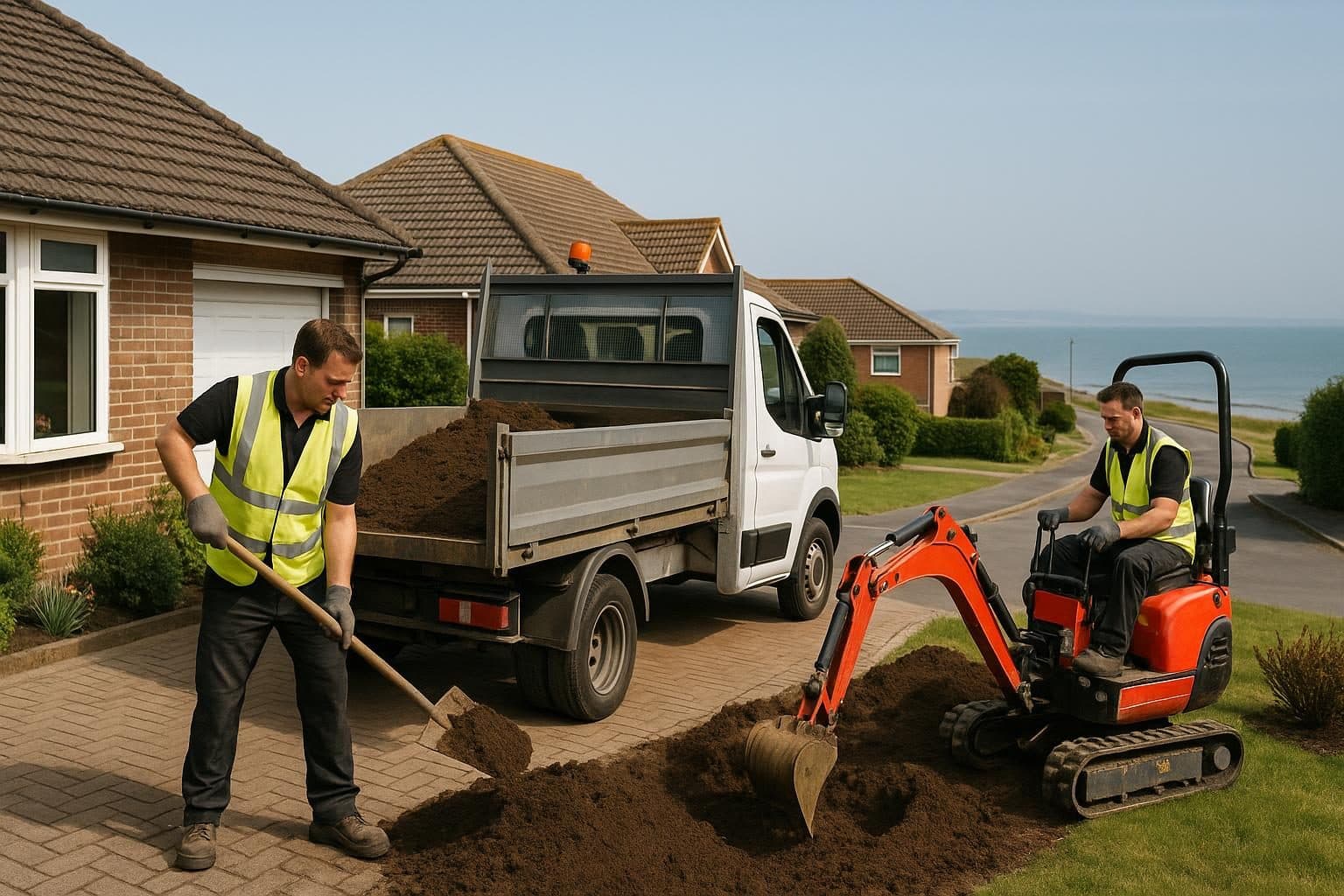
Why this matters: excess soil is more than a pile
Garden excavations, landscaping, driveway digs or small-build projects in Eastbourne often generate large amounts of soil and topsoil. Left unmanaged, soil can block drains, encourage pests, cause neighbour disputes and create headaches at resale or during estate work. Removing it correctly protects your property, meets local rules, and avoids costly repeat trips.
Who this article is for
This guide is written for Eastbourne homeowners, landlords, landscapers and small builders who need practical, local advice on removing soil or topsoil quickly and legally — including when to hire a professional instead of DIY, what paperwork to check, and how to prepare for a same‑day or next‑day service.
How professionals price soil removal (and how to estimate volumes)
Most reputable removal companies base quotes on volume (cubic metres, m3) or weight (tonnes), and on job access and disposal type. Rather than listing prices here, this section explains the measurements and factors you’ll be asked about when getting a quote so you can get accurate, comparable estimates.
Common charging models
- Volume (m3): How many cubic metres of soil? This is common for loose soil and topsoil.
- Weight (tonnes): Used when soil is dense, wet or mixed with rubble.
- Vehicle loads: Small jobs may be priced per van or skip load (e.g., “one van load” or “builder’s skip equivalent”).
- Additional fees: Access difficulty, need for shovelling or machine handling, contamination testing, and council permit costs.
Quick method to estimate m3
Measure length x width x depth (all in metres). Example: a 4m x 2m area with soil removed to 0.3m depth equals 4 x 2 x 0.3 = 2.4m3. When asking for a quote, give these dimensions and note whether soil is loose, compacted, or contains stones/rubble.
Van versus skip versus grab
Choices depend on volume, site access and local rules:
- Van/Man‑and‑van: Best for small loads and tight access (rear gardens, terraces). Requires less space on the street.
- Skips: Good for medium volumes when you can place the skip on private drive or have a permit to place on the highway.
- Grab lorries or muckaway trucks: Efficient for large volumes from driveways or sites with good vehicle access.
Permits, licences and legal checks in Eastbourne
Removing and disposing of soil in Eastbourne involves several local and national requirements. Get these cleared before work starts to avoid fines and delays.
Where you may need Eastbourne council input
If you plan to place a skip or vehicle on the public highway (pavement or road) you may need a permit from Eastbourne Borough Council. For local guidance on household and garden waste disposal options and permit information, check the council’s recycling and rubbish pages: https://www.eastbourne.gov.uk/recycling-and-rubbish/.
Waste carrier and duty of care
Under UK waste regulations, the person arranging removal must ensure the waste is handled legally. Professional companies should display waste carrier registration details. Ask your provider for their waste carrier number and for a written transfer note or receipt showing where the soil will be taken.
Contamination checks — why they matter
Soil that has been near fuel tanks, industrial sites, old garages or large sheds can be contaminated. Contaminated soil needs specialist testing and licensed disposal. Before loading, ask whether the removal team will visually screen material and what their protocol is if contamination is suspected. If contamination is a risk, a professional can recommend testing and licensed disposal routes.
When to hire a pro vs DIY
Both options are valid — your decision should be based on volume, access, complexity and legal risk.
Hire a pro when:
- You have more than a few cubic metres of soil.
- Access is restricted (narrow lanes, rear gardens with no vehicle entry).
- Soil may be contaminated or mixed with builder’s rubble.
- You need fast removal (same‑day or next‑day) or a single‑site solution to avoid multiple trips.
DIY can work when:
- Volumes are small and you have a car or trailer and a legal disposal site agreed.
- Soil is clean topsoil you plan to reuse on your own site (e.g., for raised beds) and you can store it safely.
On‑site reuse and greener options
Before disposing, consider whether the soil can be reused on site or locally:
- Topsoil is often suitable for levelling, creating raised beds or turfing, reducing removal volumes.
- Clean subsoil may be left for landscaping if compacted safely and not in flood‑prone areas.
- Local tradespeople (gardeners or landscapers) sometimes collect clean soil for reuse — this can reduce cost and environmental impact.
If City Clearance can take reusable material to be redistributed or recycled locally, we’ll note that on your quote and adjust disposal plans accordingly. This local re‑use approach saves resources and cuts the volume that goes to landfill or energy recovery.
Preparing the job for a fast, accurate quote (and same‑day work)
To get a quick, reliable quote and improve chances of same‑day or next‑day collection, prepare the following:
- Measure the soil (length x width x depth) or estimate how many van/skips it equals.
- Photograph the site showing access from the street and any gates or steps.
- Note if soil is mixed with rubble, roots, or other waste; highlight potential contamination sources.
- Confirm whether a skip can be placed on your property or whether a highway permit would be needed.
- Share preferred dates and any time constraints (for example, needing same‑day removal before a delivery).
City Clearance aims to provide clear, written quotes and can often offer same‑day or next‑day slots depending on workload and access. For broader context about how same‑day bookings influence costs and planning, see our discussion on how same‑day bookings affect cost in Eastbourne.
On the day: What happens during a professional soil removal
- Site assessment: team checks access, confirms volume and inspects material for contamination.
- Loading: soil is loaded by hand, shovel or a small machine depending on access and volume.
- Transport: material is taken to an authorised recycling or disposal facility; you should receive paperwork detailing transfer.
- Final check: team ensures the site is left tidy, raking and sweeping as needed.
If time is tight, discuss a staged approach: a same‑day collection of accessible soil now and a follow‑up appointment for complex areas.
Common pitfalls and how to avoid them
- Assuming all soil is free to dispose of: check for contamination and get transfer paperwork.
- Placing skips on the highway without a permit: check with Eastbourne Borough Council first (Eastbourne recycling guidance).
- Not measuring volumes accurately: underestimate and you’ll face repeat trips; overestimate and you may pay for unused capacity.
- Ignoring access challenges: narrow access or low bridges require different vehicles and can affect timing.
How to get a fast, reliable quote from City Clearance
Contact City Clearance with:
- Photos (wide shots from the street and close‑ups of the soil pile)
- Measurements or a clear description of the volume
- Notes on access, gates and any expected contamination
- Your preferred days for collection and whether you need same‑day or next‑day service
We’ll produce a transparent, itemised quote and confirm whether same‑day or next‑day pickup is possible. For information about our local coverage and related clearance services, you may also find useful details in our local house clearance coverage.
Final checklist before you book
- Measure the soil and send photos.
- Confirm if a highway permit is needed for a skip.
- Ask for the contractor’s waste carrier registration and a transfer note.
- Discuss contamination protocol if the soil was near fuel, chemicals or heavy rubble.
- Decide if on‑site reuse is possible to reduce disposal volume.
Need help now?
If you’re in Eastbourne and need fast soil or topsoil removal, contact us with dimensions, photos and access notes. We’ll assess the job, explain legal requirements and advise whether same‑day or next‑day collection is feasible. For broader comparisons of clearance costs and same‑day expectations in Eastbourne, see our resources on local pricing and booking strategies.